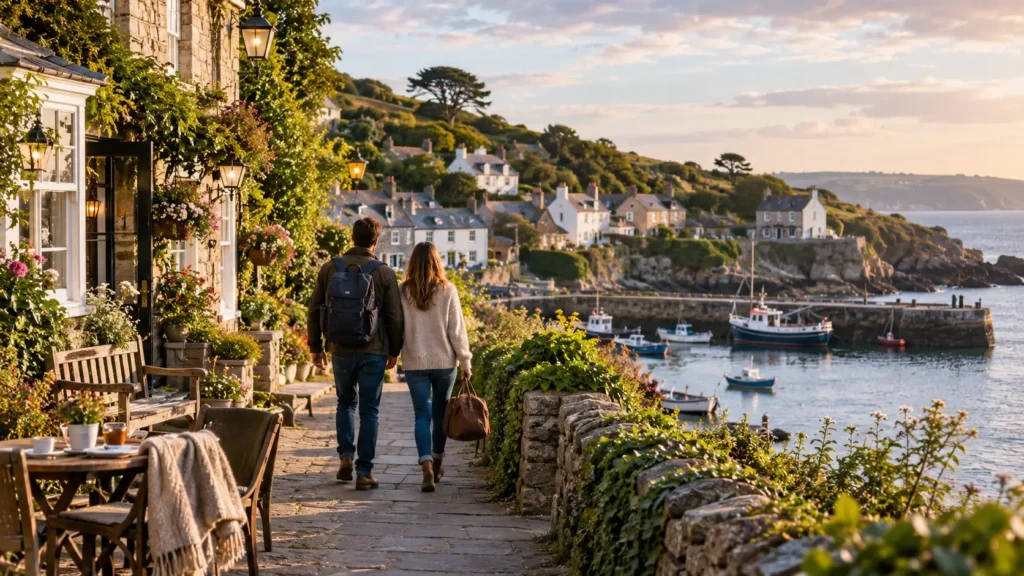

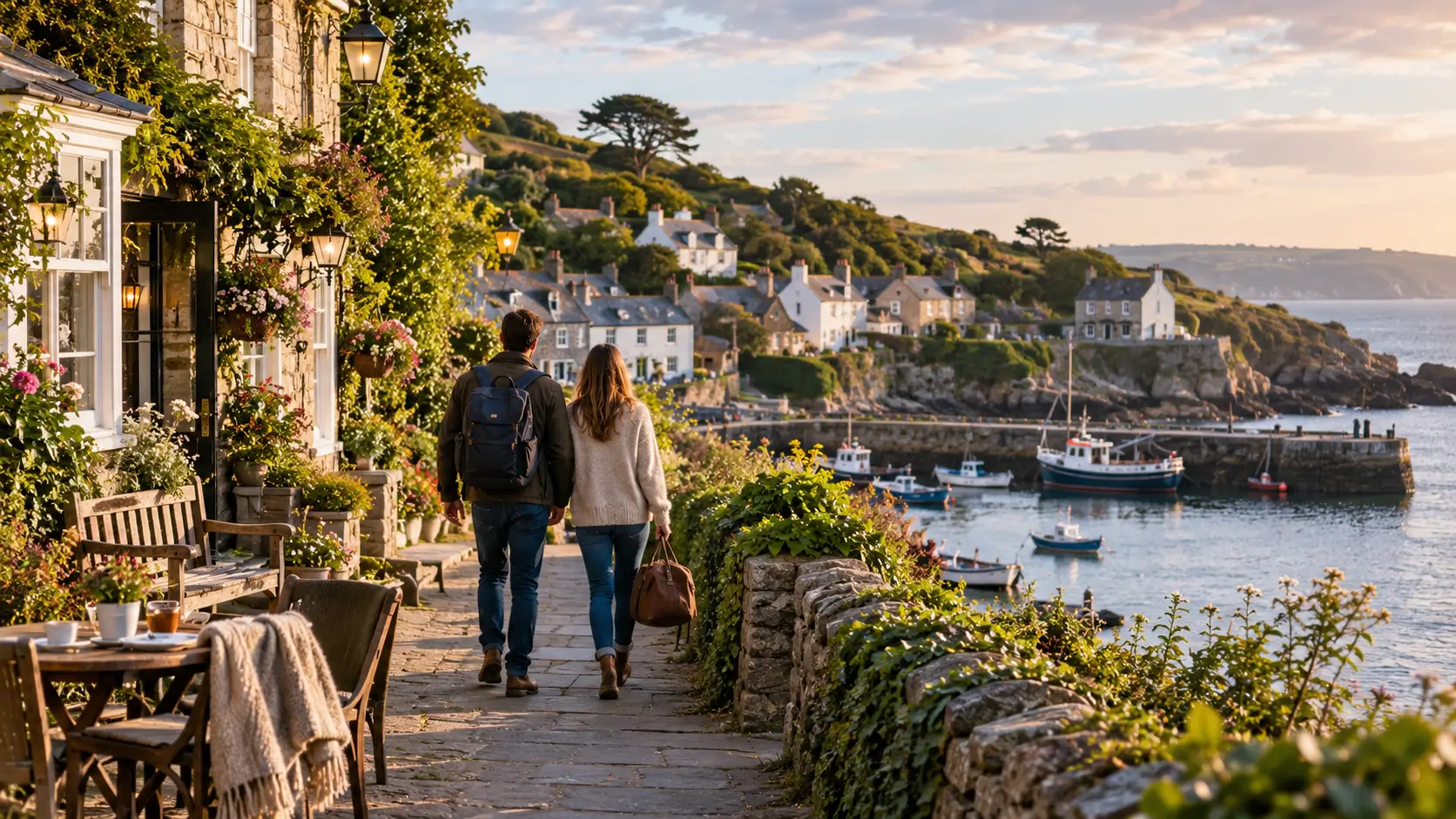
A weekend away has a reputation for being exhausting. We cram in sights, book restaurants back to back and return on Sunday night needing a holiday to recover. Yet a short break does not have to be a sprint. Slowing the pace turns even a modest trip within the UK into something genuinely restorative, and the country offers no shortage of places that reward unhurried exploration.
The idea behind slow travel is simple: do less, but experience it more fully. Rather than collecting attractions, you settle into a place, notice its details and allow room for the unplanned. It is a mindset as much as a method, and it fits neatly into a two-day trip.
Choose Fewer Places and Stay Put
The first step is to resist the urge to see everything. Pick one base, whether that is a coastal village, a market town or a corner of the national parks, and stay there for the whole weekend. Packing and unpacking, repeated drives and constant navigation eat into precious time, whereas staying in one location lets you absorb the atmosphere.
This approach has the added advantage of supporting smaller communities. Spending time in a single place means eating at local cafés, shopping at independent stores and getting to know the rhythm of the area. It also tends to reduce costs and travel emissions. Think carefully about how you will arrive too. Where possible, a train journey turns the trip itself into part of the break, with no parking to worry about and time to read or simply watch the scenery pass. The broader shift in how people think about travel is explored in out and about: rethinking how and where we travel.
Leave Space in the Itinerary
A slow break is defined by what you leave out. Instead of filling every hour, choose one or two anchors for each day, such as a coastal walk in the morning and a long lunch afterwards, and keep the rest open. Some of the most memorable moments come from wandering down an unfamiliar lane, stopping at a village shop or chatting with someone behind a counter.
It helps to let go of the feeling that unplanned time is wasted. A bench with a view, an hour in a second-hand bookshop or an unhurried cup of tea in a quiet café can be the highlight of the weekend. If you tend to over-plan, try listing the things you would like to do and then deliberately cutting the list in half.
Eat and Stay With Intention
Food is one of the easiest ways to connect with a place. Seek out local producers, farm shops and pubs serving regional dishes rather than defaulting to chains. Asking where the locals eat usually produces better results than any online ranking, and it often leads to the kind of unpretentious spot that feels like a discovery.
Accommodation shapes the mood of a trip as well. Small guesthouses, family-run inns and self-catering cottages tend to offer more personality and a more relaxed pace than large hotels. Hosts are often generous with suggestions that never appear in a guidebook. This idea of looking beyond the obvious is developed further in beyond the guidebook: planning trips and property with confidence, which looks at how thoughtful research can lead to richer experiences.
Travel Light and Switch Off
Packing lightly makes moving around easier and removes the temptation to bring work. A small bag, comfortable shoes and a waterproof jacket are usually enough for the British climate. Consider leaving the laptop at home and muting work notifications for the duration. Even a partial digital break makes the weekend feel much longer.
Capturing memories is fine, but try not to experience the entire trip through a screen. A notebook, a sketchbook or a handful of photographs taken at the end of each day is often more satisfying than a constant stream of posts.
Practical details make a slow weekend smoother. Book the first night in advance in busy seasons, but leave the second flexible if you can. Check opening times for any must-visit places, since many rural cafés and shops close early or on certain days. Bring a flask, a map and a small day bag, so that you can stop wherever the view or the mood suits you. These little preparations free you to enjoy the day without constant planning.
Slow weekend breaks demonstrate that great travel does not depend on distance or expense. By choosing fewer places, leaving space in the day, eating and staying with care and switching off from routine, you can return home feeling genuinely refreshed. The reward is not a longer list of places visited, but a deeper sense of having been somewhere, and that is something you can repeat as often as the calendar allows.